

The church supper is planned, the speaker is confirmed, the folding chairs are already in the trunk. What usually slips is the listing. Every week, a handful of Elmwood events reach us a day or two after the deadline, and every week we have to decide whether to hold them for the next edition or squeeze them in late. Both options are worse than getting your listing in on time. Here is how to write one we can publish without a single follow-up email.
What Belongs in the Events Calendar
Our listings cover happenings that are open to the public and take place in Elmwood or just over the town line: library story hours, school concerts, church suppers, blood drives, yard sales, garden club talks, town meetings, fundraisers, and the occasional grand opening. If neighbors can show up, it belongs here.
A few things don't. Private parties, ongoing commercial promotions, and straight advertisements are not listings; those go to our business desk instead. Recurring programs — a weekly class, a monthly book group — can be listed once with a date range and a line explaining the schedule, so you aren't sending us the same email twelve times.
Write the Listing the Way a Reader Scans
Most people decide in about three seconds whether they're interested. They look for four things: date, time, place, and cost. If any of those is missing or buried in the fourth paragraph, they scroll past. Lead with the facts and let the charm come second.
The five lines that carry the most weight
- What it is, in plain words. "Community pancake breakfast," not "a morning of fellowship and food."
- When. Date, start time, end time. If doors open earlier than the program begins, say so.
- Where. A street address plus a landmark or a parking note. "The community center, 12 Oak Street, behind the post office" is far more useful than "the usual spot."
- Cost. Write "free" if it's free. If there's a suggested donation, give the amount and say plainly whether anyone is turned away for lack of it.
- Contact. A phone number, an email, or a page someone actually checks. A listing with a dead contact address is worse than no listing at all.
Keep the whole thing under about 150 words. Add anything a reader would need in order to plan: accessibility, whether kids are welcome, whether registration is required, whether there's food, and whether they should bring a chair. Save the history of your organization for another time.
Model opening line: "The garden club holds its spring seedling swap on Saturday, May 4, from 9 a.m. to noon at the community center, 12 Oak Street. Free. Bring a tray, take a tray."
Choose a Photo That Survives a Small Screen
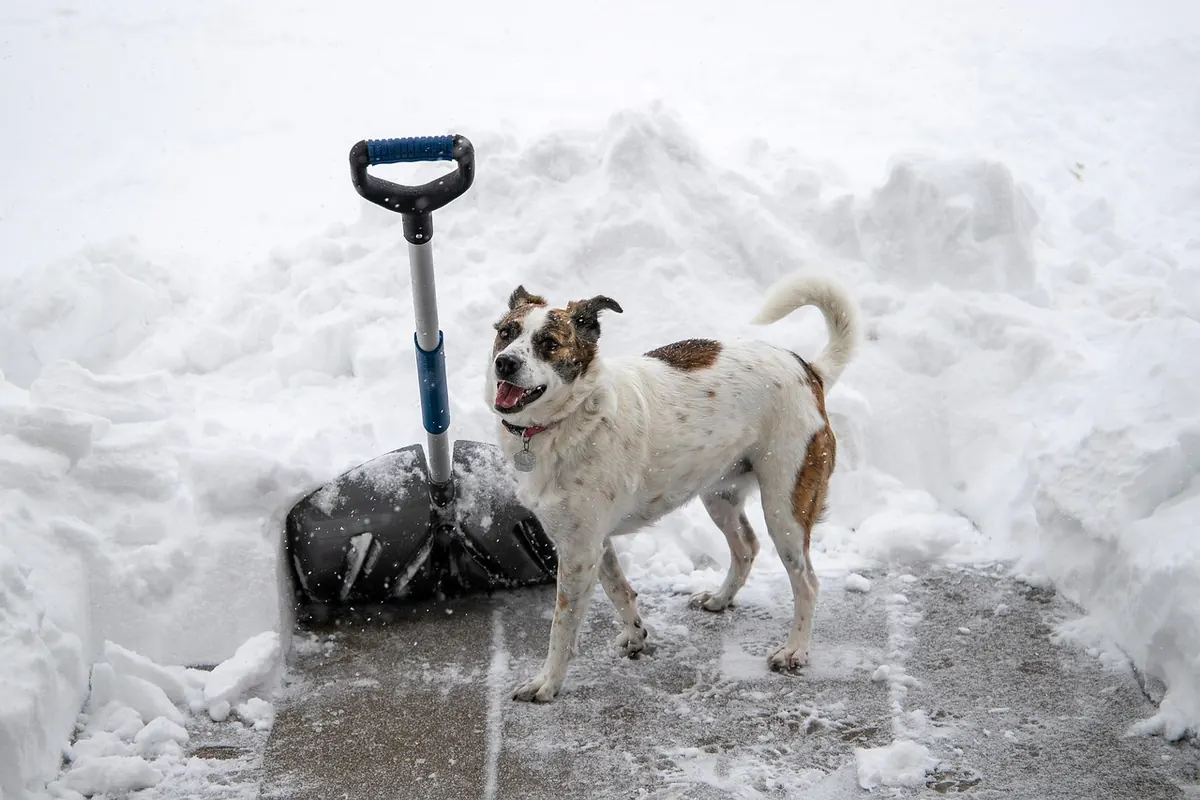
Listings are read on phones, so a photo that looks fine on your laptop may read as a gray smudge in someone's hand. Send one horizontal image, at least 1200 pixels wide, with the main subject filling most of the frame. Two or three good photos are welcome for a large event; four mediocre ones just slow the page down.
Please don't send the event poster as your photo. We know how much work went into it, but posters are usually tall, and once we crop one to fit, the ten lines of text inside become unreadable. If the poster is all you have, send it along with one clean photo of the people or the place.
Attach the image as a JPG rather than embedding it in a document or linking to a social media post, and include a caption and a photo credit in your email. Send only pictures you took or have permission to use. If children are identifiable, confirm with a parent first.
The Deadline, and Why Sunday Night Matters
Listings are due by our weekly deadline, Sunday at 6 p.m., for that week's edition. Miss it and your event moves to the following week, which is fine for something three weeks out and a real problem for the Tuesday morning blood drive. The deadline occasionally shifts around holidays, so check the current date on the submissions page before you plan around it.
If your event falls before the next edition, send it anyway and put "URGENT — event this week" at the start of your subject line. We can't promise space, but a clearly flagged, complete listing has a much better chance than one that arrives quietly on Tuesday afternoon. Late listings that are also incomplete usually can't be rescued at all.
The Pre-Send Checklist
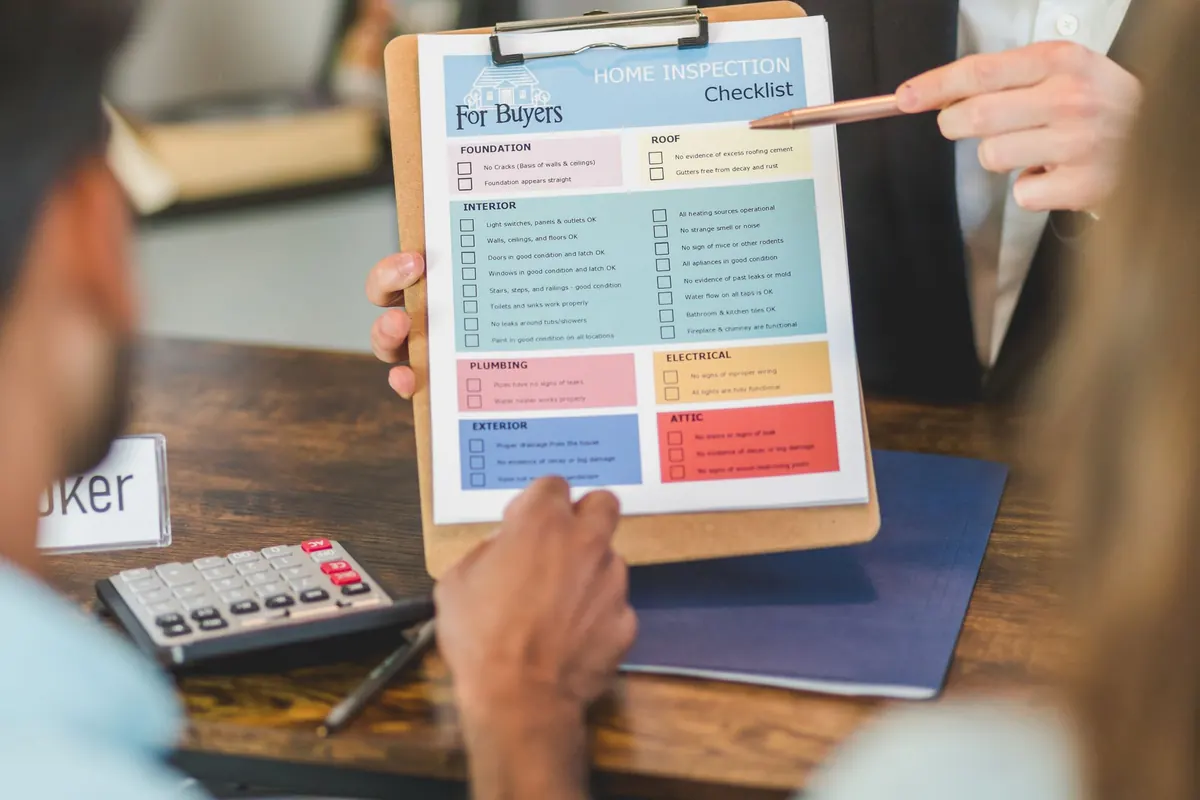
- One email per event. Not one email with six attachments.
- Subject line: event name and date.
- Body: the five lines — what, when, where, cost, contact — in that order.
- Photo attached as a JPG, with caption and credit.
- Address verified on a map, not from memory.
- Date read out loud. Wrong month, wrong year, and last year's flyer are the three most common errors we see.
- A contact address you will actually check on the day of the event.
Mistakes That Get a Listing Held
- Stale details. Copying last year's email and leaving the old date in the subject line is the fastest way into the "check with them" pile.
- No cost listed. Readers assume an event is expensive when the price is missing.
- Local shorthand. "The old firehouse" or "the field by the bridge" means nothing to someone who moved here two years ago.
- Multiple events in one submission. They get separated, and one usually gets lost.
- Silence after a cancellation. Tell us if plans change. We would rather pull a listing than send neighbors to an empty hall.
Send It Early, Then Share It
Submitting on Thursday or Friday buys you room to fix a wrong date and gives us time to place your listing well. Once it publishes, share the link with your mailing list and in your group chats: a listing that circulates draws a better crowd than one that waits for people to stumble across it. And if you're ever unsure whether your event qualifies, send it and ask. We would rather answer a quick question than see a good event go unattended.
Photo: Ahmed / Pexels