
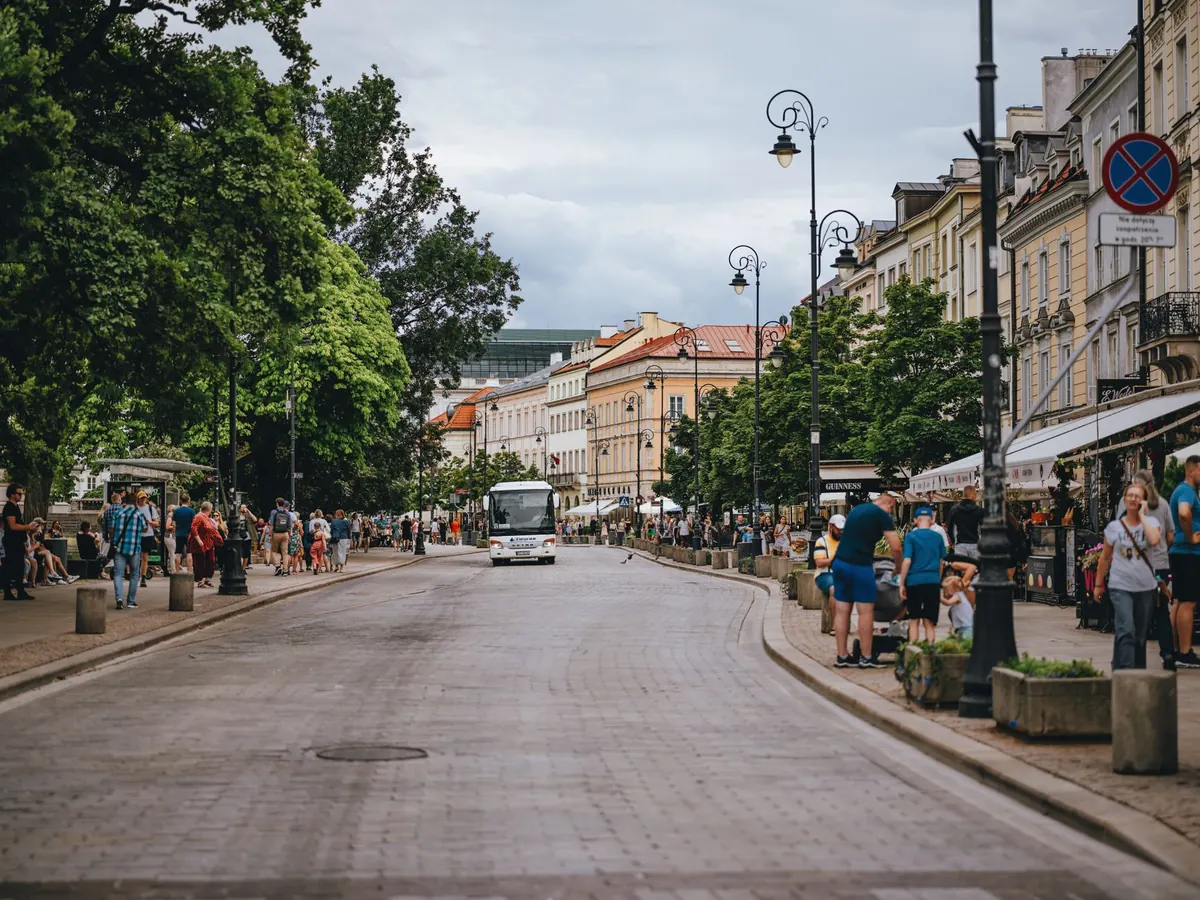
The first time you circle the block three times looking for a space, you tell yourself it is just a busy night. The second time, you start doing the math: is this errand worth twenty more minutes, or should you order it online and stay home?
Elmwood's new parking rules come with reasonable goals. More turnover near storefronts. Less commuter parking spilling onto residential streets. Fewer delivery vans double-parked in the bike lane. Less asphalt reserved for cars that nobody is using. None of that is wrong.
The problem is sequencing. When you tighten parking before you fix the bus, the bike route, and the way customers figure out where to stop, the people who pay the difference are the businesses with the thinnest margins. A bakery on the corner does not need a policy paper. It needs a customer to be able to pull up for five minutes on the way home.
What the rules actually change
Depending on your block, the changes include shorter time limits, meters that run later into the evening, expanded residential permit zones, consolidated loading zones, and relaxed minimum parking requirements for new buildings.
Each piece is defensible on its own. Stacked together, they raise the cost of stopping here. That cost is not only coins in a meter. It is time, uncertainty, and the small dread of a ticket you did not expect. Regulars tolerate a lot. They do not tolerate a scavenger hunt.
Why small shops feel it first
A grocery chain can build a lot, hire a valet, or run a shuttle. A four-table restaurant cannot. Its customers are people who drove eight minutes, planned to spend twenty dollars, and now cannot find a space within sight of the door.
It is not that they refuse to take the bus. It is that the bus is not there at 7:40 on a Tuesday when they are leaving work, or at 9:15 when dinner ends. It is that the walk from the nearest stop to the shops is fine in June and miserable in February with two bags.
Employees get squeezed too. The barista who drives because her shift ends after the last frequent trip. The stylist hauling supplies and a folding chair. Tighten parking and you do not remove cars from the street. You remove the staff and customers who used them, and the block gets quieter in a way nobody wanted.
The transit gap is the real problem
Before changing a single block, the city should be able to answer three questions out loud:
- How late does the last bus run on the route that serves these shops, and does it connect to where people actually live?
- How often does a bus arrive between 5 p.m. and 9 p.m., when most spending happens?
- How long is the walk from the nearest stop to the storefronts, and is it lit and cleared in winter?
If the answers are vague, "just take the bus" is a slogan, not a plan. Frequency is the whole ballgame. A bus that comes every ten minutes lets you ignore the schedule. A bus that comes every forty-five minutes asks you to plan your evening around it, and most shoppers will not.
Safer bike routes are access, not decoration
A painted lane that ends two blocks short of the shops does not count. Neither does a rack tucked behind a dumpster, or a route that puts riders in the door zone on the busiest stretch. The test is simple: would a cautious rider use this at 6 p.m. in November with a bag of groceries?
If the answer is no, then the bike network is not an alternative to driving. It is a hobby. Add protected connections, add racks and lockers where people actually stop, and keep the lanes clear of delivery vehicles long enough for the habit to form.
What a real customer access plan looks like
None of this requires a decade of study. It requires deciding, in advance, how a customer, a worker, and a delivery driver each reach the block.
For the city
- Publish the changes block by block, in plain language, at least 90 days before enforcement starts. Post it on the street, not only on a website.
- Add short-stay spaces of 15 minutes near takeout counters, pharmacies, and dry cleaners, where the transaction is genuinely quick.
- Keep one clearly marked, actively enforced loading zone per block so deliveries stop blocking traffic and bike lanes.
- Increase evening and weekend bus frequency on the routes serving the district before meters start running late.
- Treat secure bike parking as basic infrastructure, within a short walk of the core, not as an afterthought.
- Track results honestly: turnover, vacancies, ticket appeals, ridership on nearby routes. Adjust when the numbers say so.
For business owners
- Put a simple "how to get here" card at the counter: nearest stop, nearest rack, nearest lot, and the hours that matter.
- Ask your staff how they get to work. If several drive only because of shift timing, that is a scheduling problem worth solving before it becomes a hiring problem.
- Coordinate delivery windows with neighbouring shops so loading space is predictable instead of contested.
- Keep a short log of customer complaints about parking, with dates and specifics. Vague frustration gets nodded at in meetings. Specifics get fixed.
Sequence matters more than the rules
Change the ride first, then the rules.
Pick one block and one season. Add the short-stay spaces, raise the evening bus frequency, put in the racks, publish the map. Then enforce. Compare what happened. If shops lose customers, you have learned something cheap. If they gain turnover and new faces, you have an argument that travels.
What most merchants object to is not turnover. It is being asked to carry all the risk while the transit and cycling improvements sit on a wish list with no date attached.
What you can do this month
You do not need to write a report. You need one clear ask, delivered in the right room.
- Show up at the next council or business association meeting. Speak for three minutes. Name one fix: a 15-minute space outside a specific door, or one later bus trip on one route.
- Email your councillor. Ask for a start date, not a commitment to study. Dates are what turn intentions into schedules.
- If you run a shop, ask two questions of every customer for a week: how did you get here, and what would make it easier? You will learn more than any survey the city sends you.
- If you ride or walk, report the single gap that keeps you off the route. One missing block of lane, one broken rack, one crossing that feels unsafe.
Parking rules should make a commercial street work better, not make it harder to visit. Pair the meters with frequent buses, pair the permit zones with safe bike routes, and give every block a written plan for how people arrive. Do it in that order, with dates attached, and Elmwood's smallest businesses do not have to lose anything for the street to improve.
Photo: Egor Komarov / Pexels