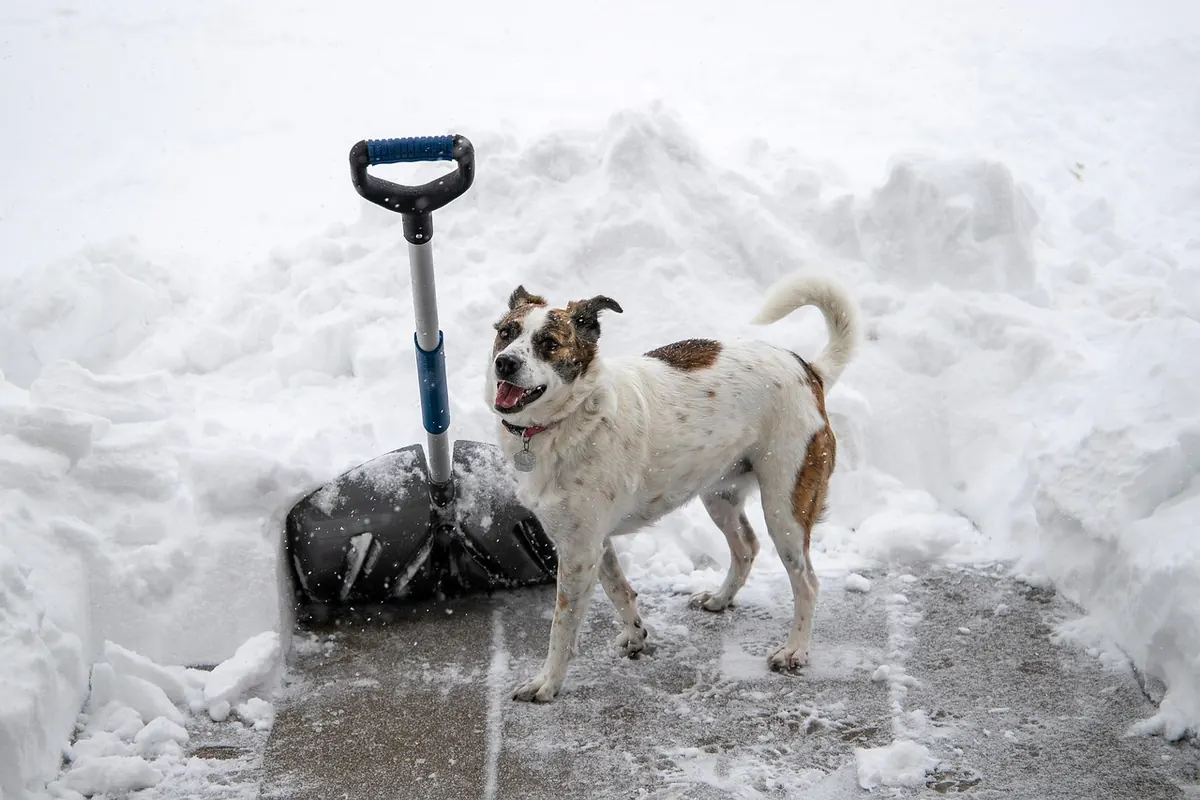

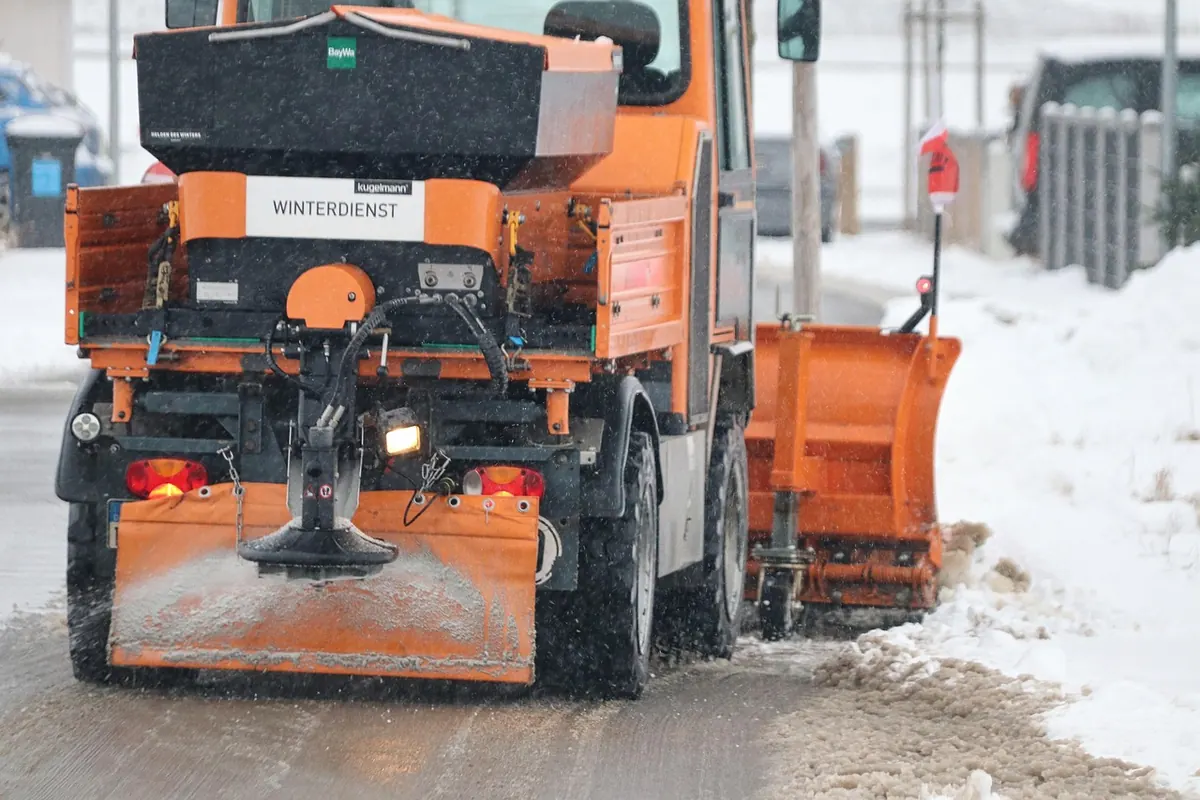
The first hard freeze arrives and Elmwood does what it always does. A porch light flicks on at 5:40 in the morning. A cooler bag lands on the back seat of a car nobody bothered to warm up. Somewhere on Ashcroft Street, a shovel scrapes through six inches of powder and comes out on a driveway that does not belong to the person holding it.
Three neighbors run three versions of the same idea: winter is survivable when the work gets split up. One organizes shoveling. One runs a meal loop. One has spent four seasons quietly clearing the sidewalks everyone else assumes somebody else will handle. None of them set out to start a program. Each started with one person and one bad week.
Two Driveways, Then Nine
Marisol Vega started shoveling for the woman across the street four winters ago, after a fall on the porch steps left her neighbor in a cast that made a shovel useless. That was one driveway. By February it was three. The next winter it was nine, plus the stretch of sidewalk in front of the corner house where the plow always leaves a ridge two feet high.
Now there is a route sheet taped inside the door of her garage, printed large enough to read with gloves on. Names, addresses, and short notes: leaves at 6:15, has a newborn, uses a walker, travels the second week of every month. The route is ordered by departure time first, then by need. People who leave before dawn get cleared before six. Everyone else gets cleared before eight.
The whole thing takes her about forty minutes with a helper and a snowblower. The hard part was never the snow. It was the asking.
Starting a Shoveling Route on Your Block
- Walk the block in daylight, before the first storm. Note the houses where nobody has appeared with a shovel in weeks.
- Ask in person, and ask privately. "I'm doing mine at 6:30 — want me to keep going to yours?" is far easier to answer than a group text with forty people on it.
- Order the route by departure time, then by need. Anyone leaving for work at five gets cleared first. Anyone who can't safely walk on ice gets cleared no matter what.
- Set a cutoff for what you will and won't do. Front walk and steps, yes. Roof rakes, cars, and mailboxes, no. Say so on day one.
- Leave one spare shovel on the porch. Half of all routes die because the organizer gets sick and nobody else has the equipment or the list.
The Wednesday Soup Loop
Dale Fenwick's contribution started as a pot of minestrone for a neighbor coming home from the hospital. It is now a rotation of six cooks covering fourteen households, every Wednesday from November through March.
The mechanics are unglamorous and that is the point. Cooler bags hang on hooks in three garages, labeled by name. Each household has an index card with notes on what they can and cannot eat, written by the person who eats it. Deliveries go on a chair or a cooler by the door, not into a hand — nobody has to be dressed and pleasant at 4:30 on a Wednesday. Frozen single portions fill the gaps for anyone who isn't up to cooking the rest of the week. Two people cover the route each week, so no one person carries it alone.
What Travels Well in a Winter Delivery
- Soups, stews, and braises that reheat in a single pot
- Bread, rolls, or a bag of tortillas — cheap, useful, rarely turned down
- Frozen single servings, labeled with the date and what's inside
- Fruit that peels easily and doesn't bruise
- Anything in a container you don't need back, or a bag with the name written on tape
- Skip cream-based soups if they'll sit on a cold porch for hours, and skip nuts unless you know the household well
If someone is managing a medical condition, an allergy, or a restricted diet, follow their instructions exactly — and where it matters, encourage them to check with their own clinician or a dietitian rather than relying on a neighbor's guess. A kind gesture that lands badly is still a bad outcome.
The Sidewalk Nobody Owns
Priya Raman spent one winter watching people step into the street to get around an uncleared walk on Elmwood Avenue. The next winter she made a map: curb cuts, the bus shelter, the crosswalk by the school, the two hills where ice lingers for days after everything else melts.
She clears her own stretch and then keeps going to the corner. Corners are where the problem concentrates — each property owner assumes the next one has it, and the result is a slick ramp of packed snow at exactly the spot where someone pushing a stroller or using a cane has to get through.
Her method is simple. Shovel early, before feet pack the snow into ice. Clear the full width of the walk, not a narrow trail. Push snow onto the lawn, never into the street, over a fire hydrant, or onto a storm drain. In deep cold, salt stops doing much of anything, so switch to sand or grit for traction instead of dumping more of the same. And check what your city actually requires of property owners. Some places have an ordinance and some don't; most have a program or a phone number for residents who physically cannot clear their own walk. It's worth one call before the first storm rather than after the first fall.
The Logistics That Keep It Running
All three efforts lean on the same handful of habits, and none of them depend on anyone being heroic.
- A group chat with a job, not a mood. "Who has Thursday?" beats "Thinking of everyone this week."
- Two backups for every task. If the shoveler gets sick, the route still gets walked.
- A text the night before. Ten minutes of planning saves an hour of standing in the cold guessing.
- A no-questions policy on declining. People say no for reasons they don't owe anyone an explanation for.
- No addresses posted publicly. Keep names, schedules, and medical notes in a private thread or on paper in a garage.
A cleared path is the difference between a neighbor who visits and a neighbor who stays home until March.
If You Need a Hand, or Have an Hour
If you want to help, start smaller than feels satisfying. Pick one house, one pot, one corner. Do it three weeks in a row before you recruit anyone. Then ask one other person, and give them a specific job with a specific day attached — vague offers get politely accepted and quietly dropped.
If you're the one who needs help, say yes sooner. Ask a neighbor directly rather than waiting to be noticed, and be clear about the limit: "The walk, not the steps" is easier for someone to commit to than "whatever you can do." If mobility, health, or money makes this feel out of reach, the senior center, the library bulletin board, and most places of worship keep informal lists of people who will show up with a shovel and not make it strange.
Snowblowers are the quiet multiplier here. Clearing one extra walk takes about ten minutes. Clearing one extra walk every storm for a whole winter takes a friendship. That's the trade Elmwood keeps making, one driveway at a time.
Photo: planet_fox / Pixabay